
Ask a handful of church administrators what worries them most and almost none of them say "a break-in." They say something closer to "a stranger walking straight into the nursery hallway during the second service, and nobody at the door noticing until it's too late." That's the real budgeting question behind church security systems cost. It's rarely about stopping a burglar. It's about knowing who's in the building, especially near children, without turning Sunday morning into a screening line.
What actually drives the number
Three things move a church security quote more than anything else: how many entry points need a camera or a door contact, whether you're adding access control to a children's check-in area or just watching it, and how much of the parking lot and drop-off zone you want covered. A single-entrance chapel with one fellowship hall door costs a fraction of what a campus with six exterior doors, a separate youth wing, and a detached gym costs. Every additional door is another camera, another run of cable or a wireless bridge, and in some cases another point of access control. Nonprofit budgets do better when the plan starts with a walkthrough and a priority list, not a spec sheet.
Entrances: the first and biggest line item
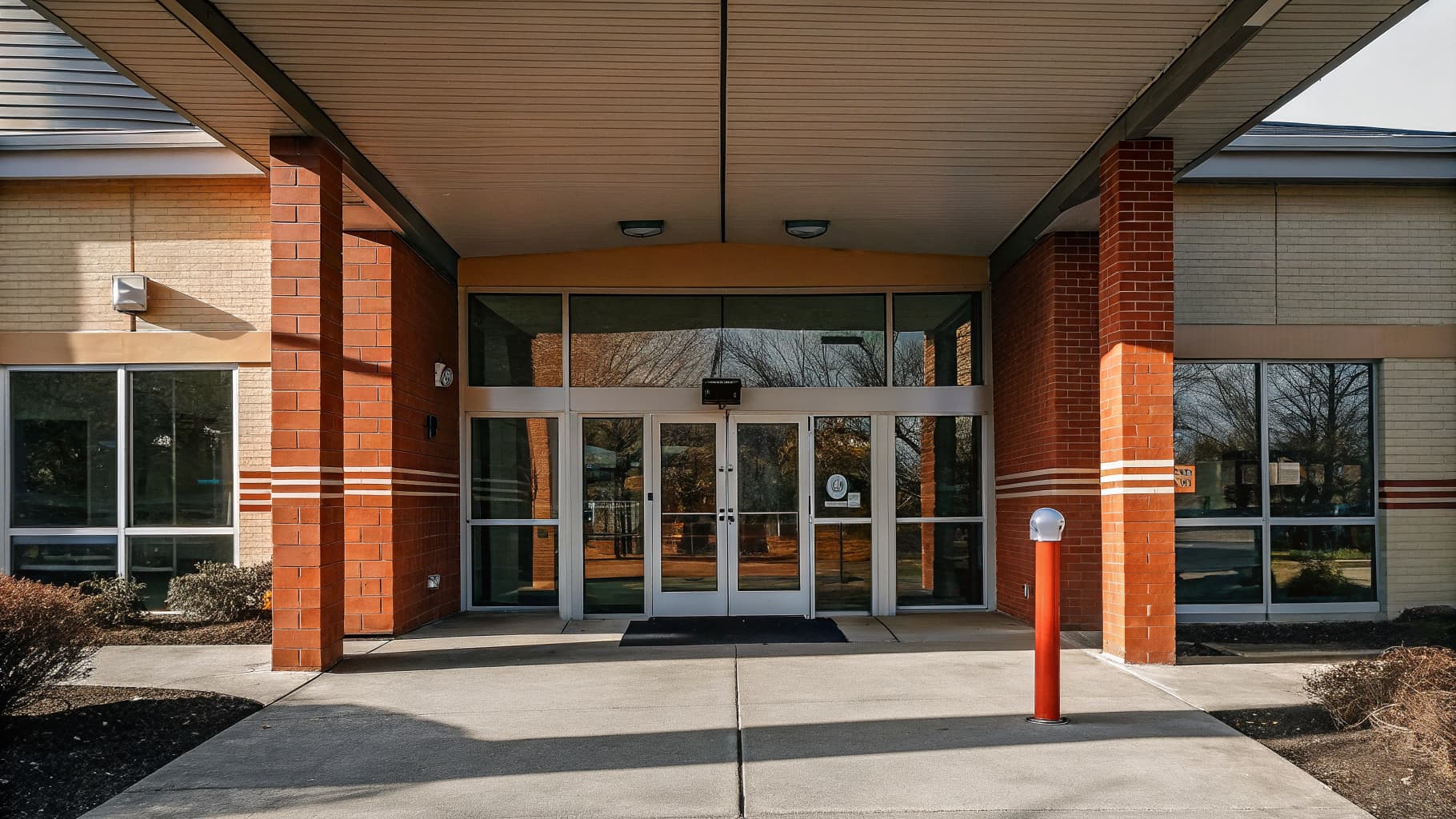
Most churches start with the doors people actually use, main entrance, fellowship hall, and any side door that stays unlocked during service for latecomers or overflow parking. Covering those with clear, well-placed cameras and door sensors is usually the first phase, and it's the phase that does the most for the money. A camera at eye level near the main doors, wired into a system your ushers or safety team can actually check from a phone, answers the "who's walking in right now" question without a single visible change to how welcoming the entrance feels.
Children's areas: access control, not just a camera
This is where cost jumps for a lot of churches, and it's worth understanding why. A camera in the hallway outside the nursery tells you what happened after the fact. Access control on the check-in room door, a badge reader, a code pad, or a buzzer tied to your check-in software, controls who can open that door in the first place. That's a different piece of hardware than a camera, often a different install, and it's the single biggest cost driver in a children's-area security plan. Plenty of churches phase it in: cameras first, then add door access to the check-in room once the budget allows. Both are legitimate places to start.
Parking lots cost more because of distance, not complexity
Parking lot and drop-off coverage tends to surprise people on a quote, and the reason is almost always cable run and lighting, not the cameras themselves. A lot that sits fifty yards from the building needs conduit or a wireless link to get footage back to the recorder, and dim or unlit corners need either added lighting or a camera built for low light, both of which add cost. If your congregation drops kids off from a car line, that lane is usually worth prioritizing over the far end of an overflow lot. You don't need every parking space covered on day one. You need the drop-off lane, the walk-up path, and the entrances that connect them.
Keeping it welcoming instead of a fortress
Every congregation we talk with wants the same thing: visible enough that people feel looked after, not so visible that first-time visitors feel like they're being screened. Cameras mounted flush under an eave, a badge reader that looks like part of the door hardware, a bollard light instead of a floodlight glaring across the lot, these are design choices, not just security ones. A church security plan built around your actual building and your actual service schedule almost always ends up looking less like security equipment and more like part of the architecture. That's the goal. Nobody should walk into your lobby and feel policed.
Getting a real number for your building
Every church's layout, congregation size, and existing equipment is different, so the honest answer to "how much does this cost" is "it depends on your building," not a flat number pulled from a brochure. A short walkthrough, entry points, the check-in area, the lot, is enough to put together a phased plan that fits a nonprofit budget instead of a one-size number that doesn't.
Talk Through Your Church's Security Plan
Security & Life Integrations works with churches across North Carolina, South Carolina, and Georgia to plan entrance monitoring, children's-area access control, and parking lot coverage that fits a real budget. Start with a walkthrough of your building.
Request a Church Security Walkthrough