Picture a renewal notice on a property manager's desk. The monitoring contract has rolled over another year, the price went up, and nobody on staff can say who signed the original agreement. The question isn't whether the provider is bad. It's whether leaving is even possible.
It usually is. The part people get wrong is the order of operations. Here is what a switch looks like when it's done well, whether you're leaving Sonitrol, ADT Commercial, or any other commercial provider.
Read the contract before you call anyone
Commercial agreements generally run a fixed term, and many renew automatically unless you give written notice inside a window before the end date. Windows differ from contract to contract and we won't guess at any one company's terms. Find the term end date, the renewal length, and how notice has to be delivered, since some contracts specify certified mail or a particular address. This isn't legal advice, so if the wording is unclear, have an attorney read it.
If you want a head start, our comparison pages cover the ADT Commercial and Everon situation, Sonitrol, and CPI Security. Our overview of switching commercial security providers puts the contract questions in one place.
What stays in the building
The expensive part of a security system is the labor and the wire in your walls. Door contacts, motion detectors, and cabling generally stay with the building and can work with a new panel. Cameras on standard protocols often can be kept, while proprietary cloud cameras may be tied to the provider's account. Fire alarm detectors and pull stations are commonly reusable too, subject to inspection and the age of the panel.
Two exceptions come up often. Some systems use proprietary components, like Sonitrol's audio equipment, that generally don't carry over to another monitoring company. And some agreements say the provider retains title to leased gear. Check which applies to you before assuming anything is yours.
Takeover versus rip-and-replace
A takeover keeps what works and replaces what doesn't. We audit every device, check the wiring, and give you a straight verdict on what to keep, what to replace, and what's worth upgrading. Replacement is the better call when equipment is obsolete, unsupported, or locked to the old provider. We price both side by side, so you can see the difference line by line. More on the process is in our guide to taking over a building's security system instead of ripping it out, and our security system takeovers page.
If an old installer won't hand over administrative codes, that's rarely a dead end. Most commercial panels can be defaulted and re-programmed by a competent technician, and an access control database can be rebuilt from a door-by-door audit.
Moving monitoring without a gap
This is the step that can't have a hole in it. The safe order looks like this:
- Set up the new monitoring account and confirm the account details.
- Program the panel or communicator to report to the new central station.
- Test every signal type, including fire, burglary, and trouble signals.
- Let the old agreement end, ideally the day after, not the day before.
Cancelling first and hoping the new account is ready by the weekend is how buildings end up unmonitored. Fire signals need extra care because fire alarm monitoring has code requirements, and a fire marshal may expect notice of a change. Our central station monitoring and fire alarm monitoring are set up for exactly this kind of cutover. Our fire alarm work carries NICET Level III certification and North Carolina license SP.FA/LV.36697.
If you're leaving an audio-verification system
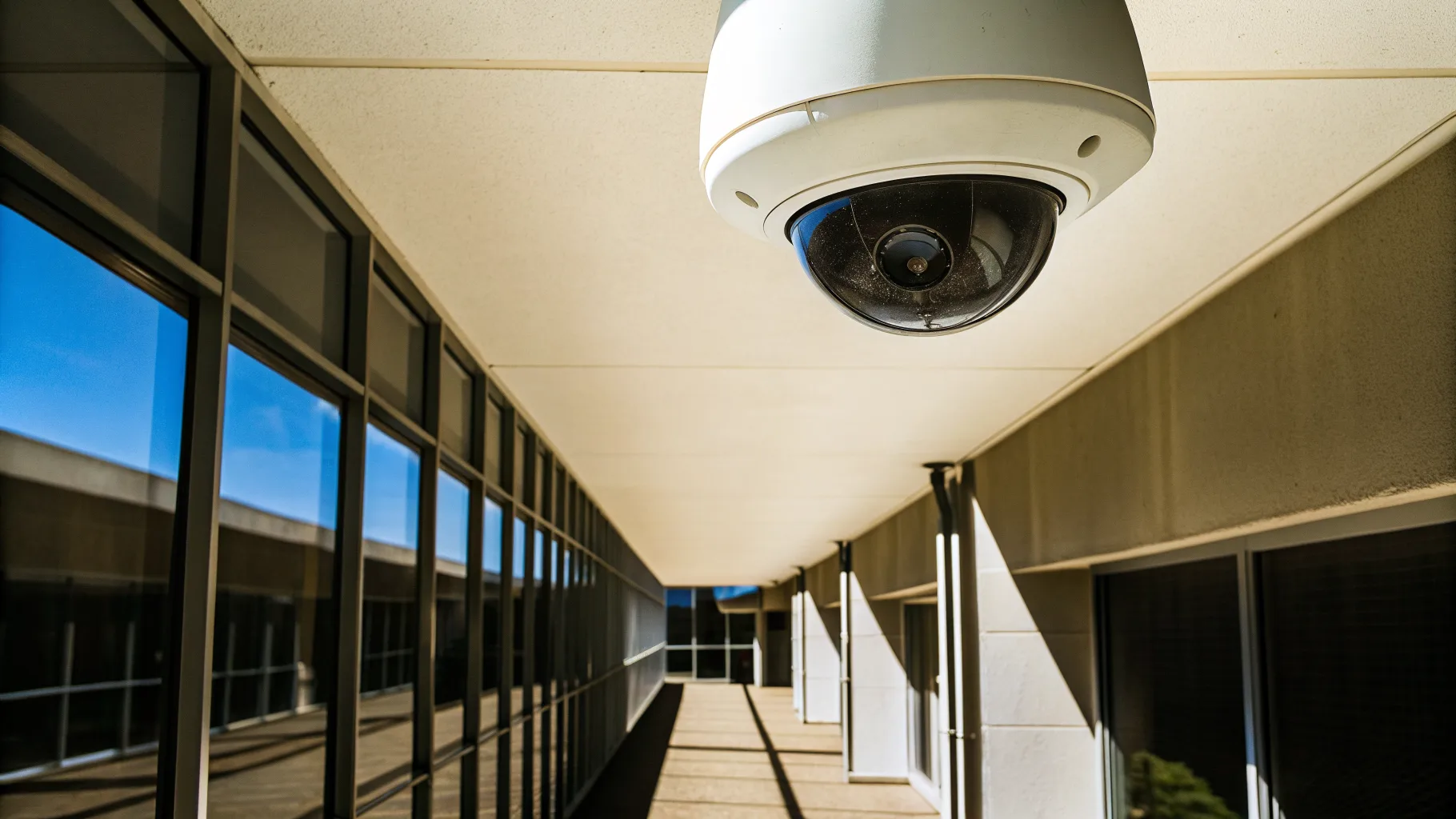
Buildings leaving Sonitrol often ask whether they'll lose verification. They don't have to. Video verification gives an operator a camera clip when an alarm trips, so they can see who is on site and describe them to police. Some buildings use both methods, with audio indoors and video at docks and lots. We cover the differences in our video monitoring solutions and burglary alarms pages.
What to bring to a first call
You don't need a perfect file. A copy of the current agreement, your last fire alarm inspection report if you have one, the panel make and model if it's known, and rough counts of doors and cameras are plenty. If you don't have those, we'll walk the building. Apartment communities, offices, and churches make up most of what we take over, and each has its own details, so see our pages for multi-tenant housing and offices.
We don't quote a price range for a switch without seeing the building. Device counts, panel age, and the termination language in your contract move the number more than anything else.
Next step
Nobody wants to learn the notice date after it has passed, so pull the file this week even if you aren't ready to decide. Knowing the dates gives you options, and not knowing them takes the options away.
Send us the agreement and we'll map the dates with you, then tell you plainly whether a takeover or a replacement makes sense. Talk to our team, or see our commercial security systems.
Sonitrol, ADT, Everon and CPI Security are trademarks of their respective owners. Security & Life Integrations is an independent company and isn't affiliated with or endorsed by them. This post is general information, not legal advice.