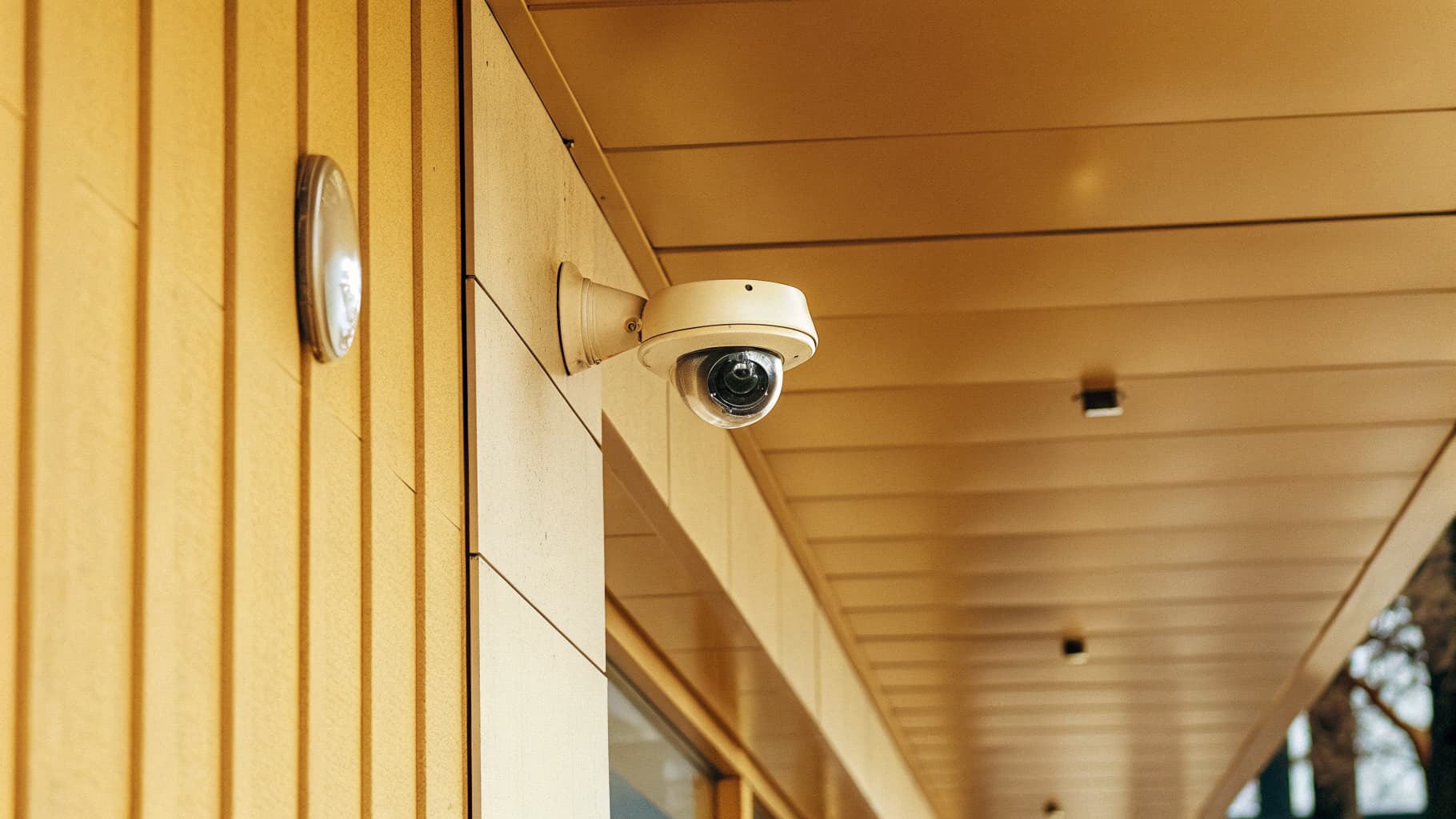
"Why is camera 6 gray again?" If you manage more than one property, you've probably typed some version of that into a text to your maintenance lead more times than you can count. It's the single most common complaint we hear, more than picture quality, more than false alarms, more than anything else. Cameras don't fail with a bang. They just quietly stop working, and nobody notices until they go looking for footage that isn't there.
Why do my security cameras keep going offline?
Most of the time it isn't the camera itself. It's the network it's sitting on. A switch in a utility closet loses power for ten seconds and never comes back cleanly. A router gets rebooted by IT for an unrelated reason and the camera's connection doesn't reconnect on its own. Someone adds a new device to the network and it eats up bandwidth the cameras needed. None of that shows up as an obvious problem on-site. The parking lot still looks the same. The camera just isn't talking to anything anymore.
Firmware is the second big one, and it's the one nobody expects. Manufacturers push updates to fix bugs or patch a security hole, and if that update lands on a camera with a shaky network connection or a config that wasn't quite standard, the camera can come back up wrong, or not come back up at all. Nobody asked for the update, nobody watched it happen, and nobody's checking the app at 2am to catch it. It just sits there offline until someone happens to look.
Then there's the install itself. A rushed job, a cable run that's a little too long for the run distance, a mounting spot with weak signal, a power supply that's undersized for the number of devices on it. None of that fails on day one. It fails six months in, usually during a heat wave or a hard rain, when the whole system is under more stress than it was the day it went in. A system that was installed fast and never checked again is a system that's quietly degrading the entire time you think it's fine.
Who actually pays for a dead camera
Here's the part that makes this more than an IT annoyance. If something happens on your property while a camera is down, that's not the camera's problem anymore, it's yours. A slip and fall in a stairwell, a break-in at a leasing office, a fight in a parking deck that turns into a lawsuit. The first question from an attorney or an insurance adjuster is always the same: can we see the footage. When the answer is "that camera had been down for three weeks and nobody caught it," you've gone from having evidence that could close the question fast to having a gap that raises a new one: why didn't anyone know.
If you advertised cameras on the property, in a lease, on a sign, in a listing, a tenant can reasonably argue they expected a working system. A dead camera you paid for and never replaced isn't neutral. It's a system that promised coverage and quietly stopped delivering it, and you're the one who signs off on the budget and the vendor relationship. That's not a fair position to be in over a switch that lost power in a closet nobody checks.
Installation was never the whole job
Most property managers think of security cameras the way they think of a roof: you install it once, it's done, you move on. Cameras don't work that way. They're networked devices sitting on infrastructure that changes constantly, power that isn't always clean, and software that updates itself without asking. A camera system with nobody watching whether it's actually working is barely more useful than no system at all, except it costs more and gives you a false sense of coverage every day it's silently down.
The fix isn't a bigger install or more cameras bolted to more walls. It's someone actually watching whether the ones you already have are online, and catching it the day it happens instead of the week you need the footage. Real-time alerts when a device drops, someone checking system health on a schedule instead of hoping it comes up in conversation, and a maintenance response that treats an offline camera like the emergency it actually is, not a ticket that sits for a few days. That's the difference between a downed camera that's back up by lunch and one that's been dark for a month before anyone finds out.
What to check before it becomes a legal question
You don't need to wait for an incident to find out where you stand. Ask whoever manages your system how they'd know today if a camera on your property went offline right now, and how long it would take before someone told you. If the honest answer is "we'd probably find out next time someone drives by," that's worth fixing before a tenant dispute forces the question for you. Our camera maintenance plans are built around exactly this: catching outages before they turn into gaps in the record, with remote viewing so you can check status from your desk instead of hoping the front office notices a blank screen. And if a camera does go down, our repair team treats it as the priority it is, not a routine ticket.
If you're not sure every camera on your properties is actually recording right now, contact our team and we'll take a look at what you have and talk through what it takes to keep it that way.