

TL;DR:
- Fire alarms significantly reduce fire-related deaths when paired with automatic extinguishing systems.
- Regular maintenance and proper placement are essential to prevent false alarms and failures.
- Ongoing management, staff training, and system reviews are crucial for ensuring safety and compliance.
A property without a working fire alarm faces a death rate of 13.4 per 1,000 fires, compared to just 1.5 per 1,000 fires in buildings with hardwired alarms and automatic extinguishing systems. That gap is not a minor detail. It is the difference between a manageable incident and a tragedy. As a property manager or commercial real estate owner, you carry direct responsibility for the lives inside your buildings. This article walks you through why fire alarms are non-negotiable, how they work, what goes wrong, and what you need to do to keep your systems compliant and reliable.
Table of Contents
- Why fire alarms are essential for property and life safety
- How fire alarms work: Types, features, and complementary systems
- Common fire alarm pitfalls: False alarms, failures, and how to avoid them
- Best practices for maintaining compliant and reliable fire alarm systems
- Our perspective: Why the key to safety isn’t just more alarms
- Next steps: Protect your property with expert fire alarm solutions
- Frequently asked questions
Key Takeaways
| Point | Details |
|---|---|
| Early warning saves lives | Fire alarms significantly reduce risk by providing the time needed for safe evacuation. |
| Integration is critical | Combining detection and suppression systems reduces casualties and property loss. |
| Maintenance prevents failures | Regular inspection and cleaning of fire alarm systems minimize false alarms and operational lapses. |
| Compliance is non-negotiable | Meeting inspection, testing, and documentation requirements protects you legally and financially. |
Why fire alarms are essential for property and life safety
Fire alarms are not just a regulatory box to check. They are the first line of defense when a fire starts. In commercial buildings, where multiple tenants, employees, and visitors occupy the same space, early warning is the factor that determines whether everyone gets out safely.
From a legal standpoint, most jurisdictions require fire alarm systems in commercial properties. Failure to comply can result in fines, forced closures, and voided insurance coverage. Insurance providers often require documented proof of working alarm systems before issuing or renewing policies. If a fire occurs and your system was not up to code, you may face liability that goes well beyond the property damage itself.
Beyond legal exposure, the life safety argument is straightforward. Fire alarms alert occupants and enable timely evacuation. When paired with automatic extinguishing systems, they reduce the death rate by 89%. That is not a marginal improvement. It is a near-complete elimination of fire-related fatalities when both systems are in place and functioning.
Here is what a properly installed fire alarm system protects against:
- Delayed detection in large or complex buildings where a fire may start in an unoccupied area
- Nighttime fires where occupants are asleep or unaware
- Rapid fire spread in buildings with high fuel loads such as warehouses or mixed-use spaces
- Liability exposure from non-compliance with local fire codes
- Insurance claim denials due to inadequate safety infrastructure
“When fire alarms and suppression systems work together, the death rate drops by 89%. Neither system alone achieves that result.”
Understanding how fire alarm systems work is the starting point for making informed decisions about your property. Reviewing fire alarm system standards applicable to your building type will help you identify any gaps in your current setup.
How fire alarms work: Types, features, and complementary systems
At the basic level, a fire alarm system uses sensors to detect smoke, heat, or both. When a sensor is triggered, it sends a signal to a control panel, which activates audible and visual alerts throughout the building. In monitored systems, the signal also goes to a central monitoring station that can dispatch emergency services.
Different property types need different alarm configurations. Here is a quick overview of common alarm types and where they fit:
- Smoke detectors: Best for offices, corridors, and sleeping areas. They detect particles from combustion early.
- Heat detectors: Better suited for kitchens, garages, and dusty environments where smoke detectors would trigger false alarms.
- Multi-sensor alarms: Combine smoke and heat detection for more accurate response. Useful in mixed-use commercial spaces.
- Monitored systems: Connected to a central station that alerts emergency services automatically. Required in many commercial settings.
The table below compares standalone alarms with integrated systems:
| Feature | Standalone alarms | Integrated systems (with AES/sprinklers) |
|---|---|---|
| Detection speed | Fast | Fast |
| Occupant alert | Yes | Yes |
| Emergency dispatch | Manual only | Automatic |
| Property damage control | Limited | High |
| Fatality risk reduction | Moderate | Up to 89% |
| Compliance coverage | Partial | Full in most jurisdictions |
The data is clear. Standalone alarms serve a purpose, but alarms paired with suppression deliver the protection that commercial properties actually need. Smoke alarms alone have a 52% operation rate in real fire incidents, which means nearly half of standalone alarms fail to perform when it counts. Integration with suppression systems closes that gap.
Exploring alarm types for properties will help you match the right detection technology to each zone in your building. You can also review fire alarm system features to understand what to look for in a monitored setup.
Pro Tip: Invest in hardwired, monitored alarms for commercial properties. Battery-only units are unreliable over time and may not meet code requirements in your jurisdiction.
Common fire alarm pitfalls: False alarms, failures, and how to avoid them
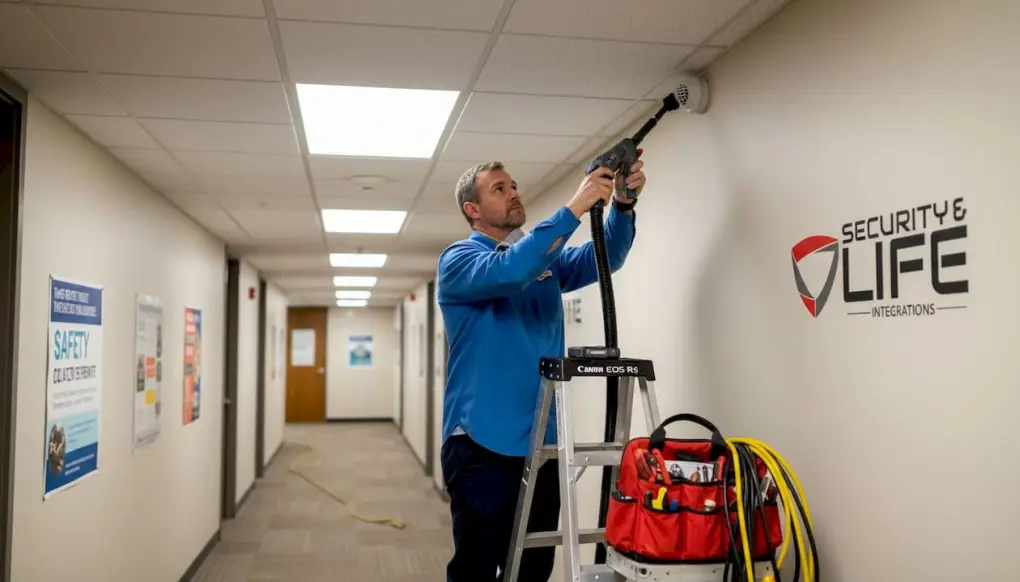
Fire alarm failures and false alarms are more common than most property managers expect. False alarms account for roughly 9% of fire service incidents in the US, and in the UK, they represent 39% of all fire and rescue service calls. That volume creates real costs: wasted emergency resources, tenant disruption, and in some jurisdictions, fines for repeated false activations.
The table below outlines the most common causes and their frequency:
| Cause | Frequency | Notes |
|---|---|---|
| Dust or contamination | High | Triggers photoelectric sensors |
| HVAC proximity | Moderate | Air movement disrupts detector sensitivity |
| Dead or weak batteries | Moderate | Leads to chirping or failure to activate |
| System age | Moderate | Components degrade over time |
| Improper placement | High | Kitchens and steam areas cause frequent trips |
| Lack of maintenance | High | 25% annual failure rate in unmaintained systems |
Failed alarms are equally dangerous. Dirty or contaminated detectors, proximity to HVAC vents, and deferred maintenance all contribute to systems that do not activate when they should.
Here are the steps you can take to reduce both false alarms and failures:
- Use false alarm reduction strategies such as verification delays, which require two detectors to trigger before activating a full alarm.
- Place detectors away from kitchens, bathrooms, and HVAC supply vents.
- Clean detectors at least twice per year to remove dust and debris.
- Replace aging components before they fail. Most detectors have a 10-year service life.
- Schedule professional inspections annually and after any renovation work.
- Log every test, inspection, and repair for compliance documentation.
Pro Tip: Schedule annual professional inspections and clean detectors every six months. Most false alarms and failures are preventable with basic, consistent maintenance.
When a system does fail, prompt fire alarm repairs are essential. Deferred repairs create compliance gaps and increase liability. Reviewing preventive maintenance tips and monitoring systems and compliance will give you a clearer picture of what ongoing care looks like in practice.
Best practices for maintaining compliant and reliable fire alarm systems
Knowing what can go wrong is only useful if you act on it. Maintaining a compliant fire alarm system requires a structured approach, not just reactive repairs when something breaks.
Here is a yearly compliance checklist for property managers:
- Annual inspection: Hire a licensed fire alarm technician to test all system components, including control panels, detectors, pull stations, and notification devices.
- Semi-annual cleaning: Remove dust and debris from all detectors, especially in high-traffic or industrial areas.
- Battery checks: Test and replace backup batteries at least once per year, or immediately when low-battery signals appear.
- Documentation: Keep a written log of every inspection, test, repair, and false alarm event. Many jurisdictions require this for code compliance.
- Staff training: Ensure all on-site staff know how to respond to an alarm, how to silence false activations without disabling the system, and who to contact for repairs.
- System review: After any building renovation or tenant change, have a professional assess whether the existing alarm layout still provides adequate coverage.
Reducing false alarms also requires attention to placement and environment. Verification delays under NFPA 72 Chapter 29, proper detector placement away from kitchens and HVAC units, and preventive maintenance are the three most effective controls available to property managers.
Consider this: a commercial property in a mid-sized city faced a $50,000 fine and a temporary occupancy suspension after a routine inspection revealed undocumented alarm failures spanning two years. The repairs themselves cost less than $3,000. The gap was not technical. It was a lack of process.
Working with licensed professionals for monitored system compliance and scheduling regular repairs and servicing removes the guesswork and keeps your documentation current.
Our perspective: Why the key to safety isn’t just more alarms
Many properties install fire alarms, pass inspection, and then treat the system as finished. That mindset is where most safety failures begin. Adding more detectors does not make a building safer if no one is actively managing the system.
The properties that perform best in real fire events are not the ones with the most hardware. They are the ones where management reviews drill outcomes, cross-trains staff on emergency procedures, and treats fire safety as an ongoing process rather than a one-time installation.
Fire safety is not static. Buildings change. Tenants change. Occupancy patterns shift. A system that was adequate three years ago may have blind spots today. The most effective property managers we work with schedule quarterly safety reviews, not just annual inspections.
For multi-tenant housing, this is especially important. High turnover means new occupants who may not know evacuation routes or alarm protocols. Leadership commitment to ongoing education is what separates a compliant property from a truly safe one.
Next steps: Protect your property with expert fire alarm solutions
You now have a clear picture of what fire alarms do, what threatens their reliability, and what it takes to stay compliant. The next step is making sure your property has the right system in place and the support to keep it working.

Security & Life Integrations provides fire alarm solutions designed for commercial properties and multi-tenant housing, from initial installation to ongoing monitoring and repairs. If you are unsure whether your current system meets 2026 code requirements, our team can walk you through a property assessment. Review our compliance guidance to understand what standards apply to your building, or contact us directly to schedule a system review.
Frequently asked questions
How do fire alarms reduce casualties in commercial buildings?
Fire alarms provide early warning that enables prompt evacuation. When combined with sprinklers, they reduce fire death rates by 89%, making them the most effective life safety combination available.
What causes fire alarms to fail or send false alarms?
The most common causes are dead batteries, contaminated detectors, poor placement near kitchens or HVAC vents, and deferred maintenance. Systems with a 25% annual failure rate are almost always ones that lack a regular maintenance schedule.
How often should fire alarm systems be tested in commercial properties?
Fire alarm systems should be inspected and tested at least once per year by a licensed technician. Testing and documentation must be logged and kept on file to satisfy most local fire codes.
Can fire alarms alone fully protect property and people?
No. Alarms alone are unreliable in roughly half of real fire incidents. Full protection requires pairing detection with suppression systems and a documented safety management plan.