
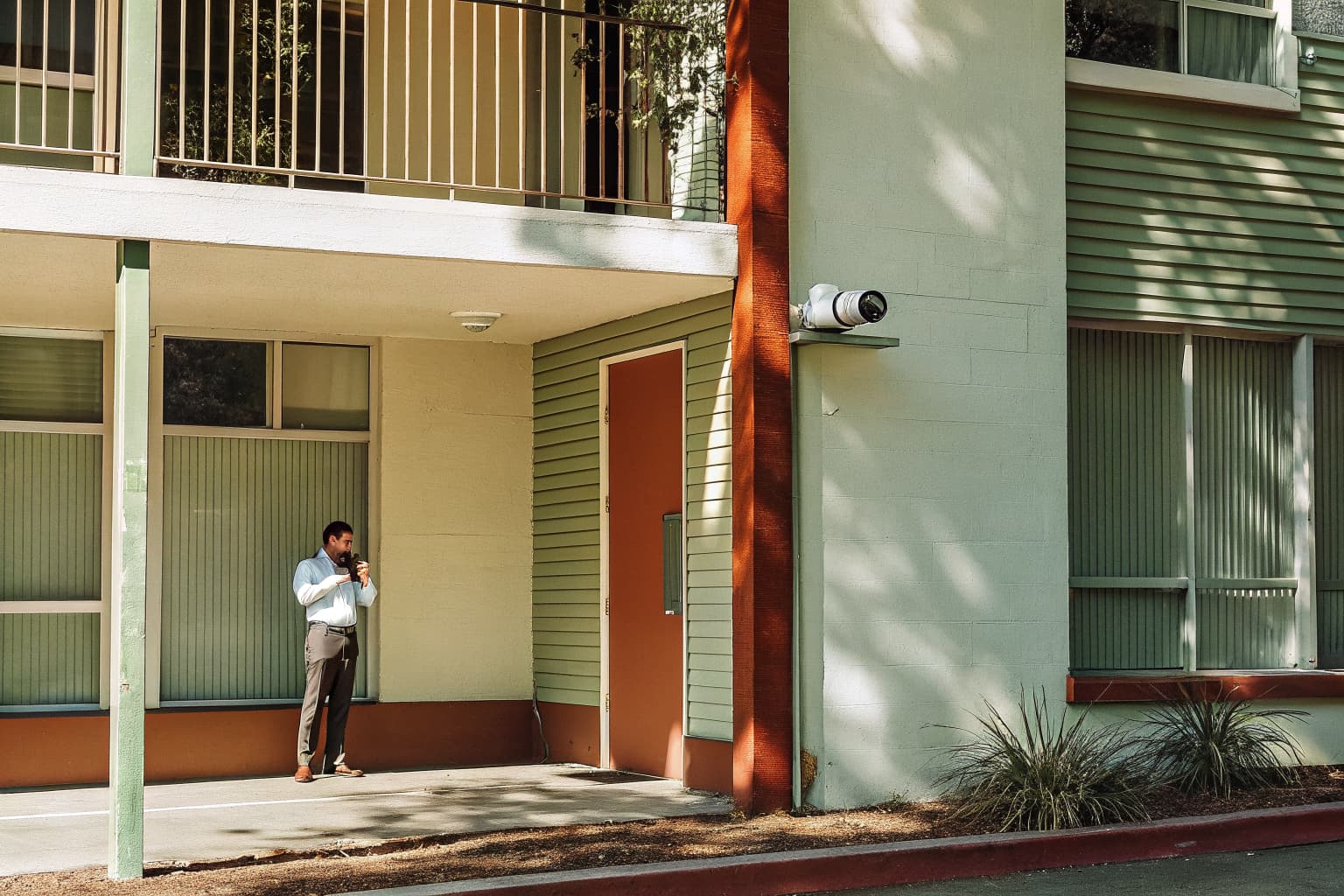
"Our cameras were down that week" is not something you want to say to an attorney, an insurance adjuster, or a tenant's family. But it happens more often than most property managers admit, and it usually comes up at the worst possible time: after an incident, when someone is already asking for footage that does not exist. A camera that quietly stopped recording three weeks ago looks the same on the wall as one that's working fine. Nobody notices until they need it.
The gap in footage becomes the whole case
Once a tenant dispute goes legal, whether it's a slip and fall in a common area, a break-in a resident says could have been prevented, or a fight in a parking lot that ends up in court, the first request is almost always for video. If you have it, the footage often settles the question fast. If you don't, the absence itself becomes evidence. Attorneys will ask why a camera covering that exact spot wasn't working, how long it had been down, and whether anyone knew. As one landlord put it plainly on a property management forum, "As a landlord you add liability if you have a promise, overt or implied, that you are offering safety." Advertise cameras on your property (in a lease, in a listing, on a sign at the gate) and a tenant can reasonably argue you implied a level of protection. When the system that was supposed to be watching wasn't actually recording, that gap doesn't read as bad luck. It reads as negligence.
How cameras go dark without anyone noticing
Cameras rarely fail all at once with an alarm bell attached. They drop off one at a time: a firmware update that quietly breaks a device, a storage drive that fills up and stops writing new footage, a network switch that loses power in a utility closet nobody checks, a cable a landscaping crew clips without telling anyone. Multiply that across a portfolio of properties and it's easy to end up with two or three cameras out of forty sitting offline for weeks. If you're managing multiple buildings from an office across town, you're not driving by to eyeball the parking lot camera. You're trusting that if something's wrong, you'll hear about it. That trust is exactly the gap that creates risk. A system that can't tell you when it's failing is a system that fails silently, and silent failures are the ones that show up in a deposition.
What actually reduces your exposure
The fix isn't more cameras. It's a system that tells you the truth about its own health, and a maintenance routine that treats "offline" as an emergency, not a someday task. That means real-time alerts when a device drops off the network, not a monthly report you skim after the fact. It means storage that's monitored so a full drive gets flagged before it starts overwriting or simply stopping. It means a retention period that's actually long enough to cover the time it typically takes a tenant complaint or an incident report to surface, since disputes rarely come in the same week something happens. And it means someone is actually looking at that health dashboard on a schedule, not just installing it and hoping. A camera system with no one watching whether it's working is barely better than no camera system, except it costs more and gives you a false sense of coverage.
Documentation matters as much as the fix itself
If a camera does go down, how fast you catch it and how you document the repair matters almost as much as the outage itself. A maintenance log showing the outage was detected within hours, a technician was dispatched, and the camera was back online the same day tells a very different story to an insurer or a judge than a blank spot nobody can explain. Property managers who've been burned by unreliable vendors know this pain from the other direction. Complaints about companies that "never showed up for the three time-confirmed appointments" or took days to send a technician are common precisely because a slow response turns a fixable glitch into weeks of exposure. If your current vendor treats an offline camera the same as a routine service ticket, that's the process gap worth fixing before it costs you in a dispute.
Building this into how you run your portfolio
For a property manager juggling several buildings, the real answer is having one system you can check from anywhere, rather than hoping the local staff notices a red light on a DVR in a back room. Remote access to live status, not just live footage, is what lets you catch a downed camera on a Tuesday instead of finding out about it during a deposition six months later. It also means when a tenant does raise a concern, you can pull up the exact camera, confirm it was recording, and hand over clean footage instead of scrambling to explain a gap. That's the difference between a dispute that resolves in a phone call and one that turns into a claim against your insurance.
Get your cameras checked before it's a legal question
If you manage a multi-tenant, commercial, or specialty property in North Carolina, South Carolina, or Georgia and you're not sure every camera on your portfolio is actually recording right now, that's worth finding out before a dispute forces the question. Contact our team and we'll take a look at what you have, flag any gaps in coverage or monitoring, and talk through what it takes to close them.