
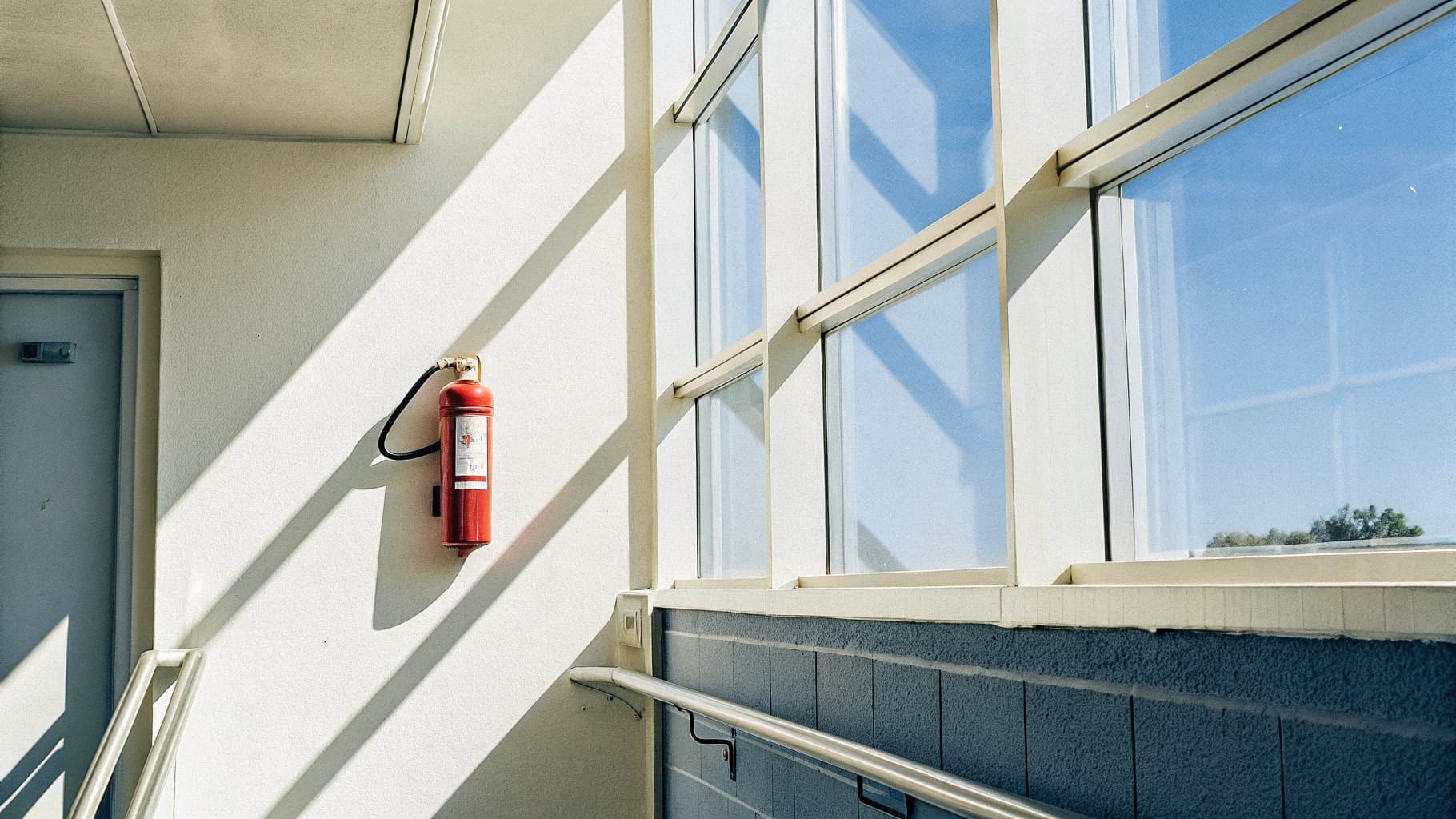
A fire marshal inspection is the most predictable test your building will ever take, the checklist barely changes, and yet buildings fail it constantly. They fail for paperwork nobody kept, exits nobody walked, and extinguishers nobody glanced at, almost never for exotic technical reasons. Which means the whole game is knowing the script in advance.
The records come first
Most inspections start with documents, not a walkthrough: your fire alarm test and inspection records, your sprinkler system's NFPA 25 reports, proof of monitoring, extinguisher service tags, and repair documentation for anything previously flagged. An inspector who gets clean, current records in two minutes starts the walkthrough in a very different mood than one watching someone dig through a drawer. Buildings that keep these in one file, physical or digital, have already passed the hardest part.
Then the walk
The building portion is mostly about egress and access. Exit doors that open freely without keys or tricks. Exit signs lit, emergency lighting functional. Corridors and stairwells clear of storage, the violation written more than any other, because hallways attract boxes the way docks attract pallets. Fire doors that close and latch on their own, not propped with wedges. The fire alarm panel showing normal, no trouble or supervisory lights glowing quietly in a closet. Sprinkler heads with clearance below them, not boxed in by stacked inventory. Extinguishers mounted, tagged, and where the tag says they should be.
What actually fails buildings
Lapsed test records. Propped or blocked fire doors. Storage in egress paths. Panels sitting in trouble condition for months. Dead extinguisher tags. Notice the pattern: none of these are equipment failures, they're maintenance habits. The expensive systems usually work; the cheap disciplines around them are what lapse. That's genuinely good news, because habits are fixable this week, before anyone schedules a visit.
If something is written up
A violation notice comes with a correction window, and the sequence matters: fix it, document the fix, and be ready to show both at the re-inspection. Deficiencies on the alarm system itself route through a qualified repair team, and the repair record joins the file. Inspectors track patterns; a building that corrects promptly and documents it builds credibility that pays off for years of future visits.
How to be boring to inspect
Boring is the goal. Keep the three files current, test records, monitoring proof, repair documentation. Walk your own egress paths monthly with the inspector's eyes: would every door open, is every corridor clear, is the panel green. Put fire-door discipline in your staff's routine. Buildings on a coordinated inspection and monitoring schedule get reminded before anything lapses, which converts the fire marshal visit from an event into a formality.
A thirty-minute self-inspection you can run this week
Walk the building with a notepad and the inspector's checklist in mind. Push every exit door. Look up at every exit sign and emergency light. Walk every corridor and stairwell asking one question: could two people carrying a stretcher get through here right now? Open the panel closet and check for glowing trouble lights. Glance at every extinguisher tag for a current date. Check that nothing is stacked within eighteen inches of a sprinkler head anywhere in storage areas. Whatever you wrote down is your punch list, and almost all of it costs labor, not money.
Why inspectors remember buildings
Fire marshals inspect the same properties for years, and they remember which ones fight them and which ones fix things. A building with a reputation for clean records and prompt corrections gets efficient, uneventful visits. One with a history of lapsed test records and repeat violations gets scrutiny, and scrutiny finds things. The cheapest fire-marshal strategy that exists is several years of being boring, and it's available to any building that wants it.