
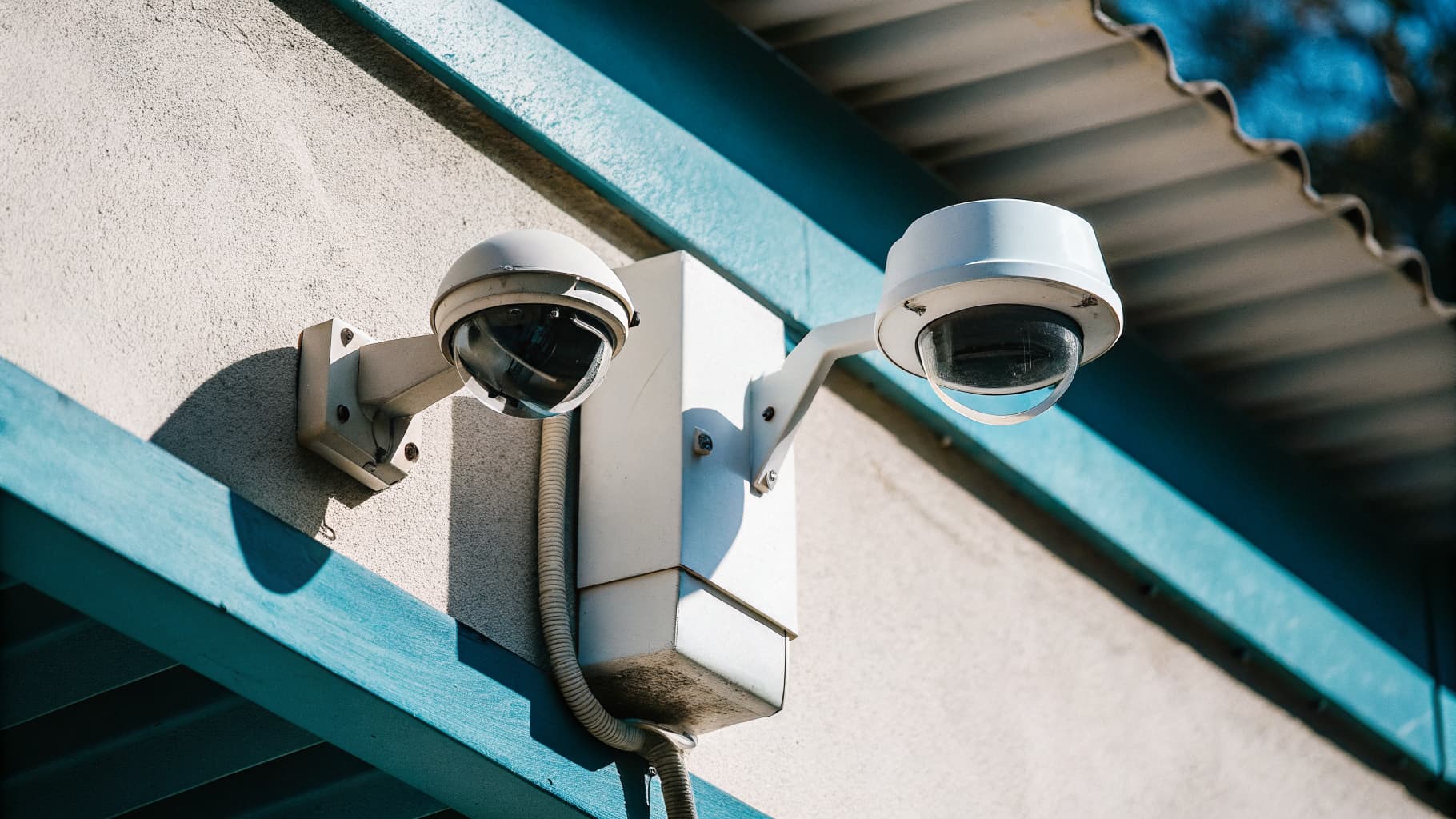
The IP versus analog question reads like a settled argument, IP won, and for new installations it did. But that framing skips the question most property managers actually have, which is: my building already has analog cameras, what now? The honest answer involves less ripping out than you'd expect.
What IP actually buys you
An IP camera is a network device that happens to have a lens. That's the whole difference, and everything follows from it: higher resolutions than analog can carry, one PoE cable for power and data, per-camera analytics, and remote viewing that doesn't require a technician to configure port forwarding on a decade-old DVR. When people describe modern video surveillance, motion alerts to a phone, searchable footage, cameras that flag people versus headlights, they're describing IP systems.
What analog still has going for it
Two things, honestly. The installed base, and the cable. Analog systems run on coax, and a building wired with coax decades ago has pathways through walls and ceilings that cost real money to duplicate. Converters and hybrid recorders exist precisely because that cable has value: several upgrade paths reuse coax to carry high-definition signals, deferring the rewiring cost while replacing the cameras and recorder. A building-wide rewire is sometimes the right call, but it's a choice, not an obligation.
The upgrade math, in the order that saves money
Start with the recorder, not the cameras. A hybrid recorder accepts your existing analog cameras and new IP cameras simultaneously, which turns the upgrade into a rolling project instead of a demolition. Replace cameras at the positions that matter most first, entrances, cash handling, license plate capture at gates, and let working analog units cover low-stakes zones until they die of natural causes. This is the sequence we walk through on camera installation projects that start from an existing system.
When the old system isn't worth saving
Corroded connectors, failing power supplies, and recorders that can't be serviced tip the math toward replacement. So does resolution: if an incident happens and the footage can't identify anyone, the system is producing liability paperwork, not security. A camera system assessment settles it building by building, testing what's installed instead of guessing from the parking lot.
The question underneath the question
Nobody actually wants IP cameras or analog cameras. They want to know that when something happens, the footage exists, shows what happened, and reaches the right person quickly. Whichever mix of technology delivers that at your property is the right answer, and it's knowable from one walkthrough rather than a spec-sheet debate.
The resolution difference, in evidence terms
Numbers on spec sheets obscure what resolution buys: pixels on a face at distance. An older analog camera watching a doorway from thirty feet produces a figure; a modern IP camera at the same distance produces an identification. Insurance adjusters, police, and courts treat those two clips very differently. If your cameras exist for evidence, and commercially, they all do, resolution is the difference between footage that settles a dispute and footage that merely proves you had cameras.
Questions to settle before touching anything
What's the coax actually carrying, and does it test clean? How many camera positions matter enough to upgrade first? Does the recorder have years left or months? Is remote viewing a requirement or a nice-to-have? Answer those four and the upgrade path mostly writes itself. The one answer that never changes: whichever direction you go, plan it as one system with a sequence, not a drawer of purchase orders. A site assessment settles the four questions in an hour.